
Event Planning AV: What It Includes, Why It Matters, and How to Plan It Successfully
Event planning is often a hectic process. Trying to secure the venue, speakers, and agenda often takes center stage, which means event planning AV is often treated as a checklist item, something to “add on” once everything else is finalized. In reality, audio-visual planning plays a central role in how an event functions, how attendees engage, and how professional the experience feels. It’s that important.
Whether you are organizing a corporate training, conference, gala, fundraiser, or internal meeting, AV decisions directly affect clarity, pacing, accessibility, and overall perception. Poor planning can lead to distracted audiences, technical disruptions, and unnecessary costs. Strong planning supports your message and ensures the event runs smoothly.
This guide explains what event planning AV includes, why it matters, and how to approach it strategically so technology supports your goals rather than competing with them.
What Is Event Planning AV?
Event planning AV refers to the planning, coordination, and execution of all audio, visual, lighting, and technical production elements required for an event. It’s not just renting a few speakers and microphones. Effective AV planning considers the event’s purpose, audience, venue, content, and flow, as well as the right audiovisual equipment.
At a high level, event planning AV includes:
- Audio systems that ensure every word is heard clearly
- Visual systems that deliver content effectively to the audience
- Lighting that supports focus, mood, and visibility
- Video, streaming, and recording capabilities
- Technical direction and on-site support to manage execution
When AV is planned early and carefully, it helps engage your audience and reduces the risk of major mistakes. When it is rushed or treated as an afterthought, it becomes a liability, possibly crashing an otherwise well-planned event.

Audio: Ensuring Every Word Is Heard Clearly
Audio is the foundation of most events. If attendees cannot hear clearly, no amount of visual polish will compensate. You’ve likely put a lot of time and resources into selecting the right presenter. Make sure they are heard.
What Audio Includes
- Microphones (handheld, lavalier, headset, podium)
- Speakers and sound reinforcement
- Audio mixing and sound balancing
- Audio feeds for recordings or livestreams
- Support for audience Q&A and panel discussions
Why Audio Matters
Different rooms behave differently. Ceiling height, wall materials, and audience size all affect sound quality. Without proper planning, issues like feedback, uneven volume, or echo can distract attendees and strain presenters.
Planning Considerations
- Number of speakers and microphone types
- Audience size and seating layout
- Room acoustics
- Live interaction (Q&A, panels, audience participation)
- Recording or streaming requirements
- Accessibility considerations and standards
Professional audio planning ensures consistency and clarity from the first word to the last.
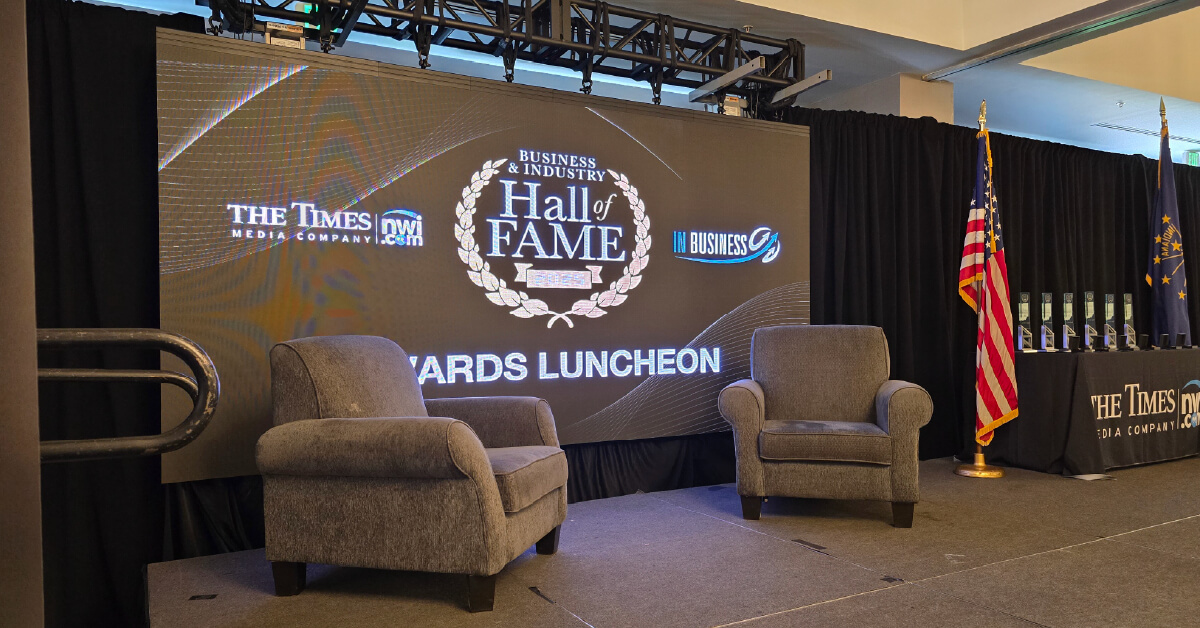
Visual: Delivering Content the Audience Can Actually See
Visual AV covers how content is displayed and how audiences interact with it. This planning includes much more than placing a projector in the room and flipping the on switch.
What Visual AV Includes
- Projection screens or LED displays
- Monitors for presenters or confidence viewing
- Video switching and content management
- Playback of videos, slides, or live camera feeds
- Presentation timers to keep your event on track and on time
Common Visual Problems
- Screens too small for the room
- Poor sightlines due to the room layout
- Content formats not optimized for display
- Glare or brightness issues in well-lit spaces
Planning Considerations
- Room size, layout, and ceiling height
- Distance from the audience to the screen
- Lighting conditions in the venue
- Accessibility and readability of content
- Type of content being presented (slides, video, live camera)
You want to make sure that every attendee, even those in the back, can see and follow along with what you’re projecting.
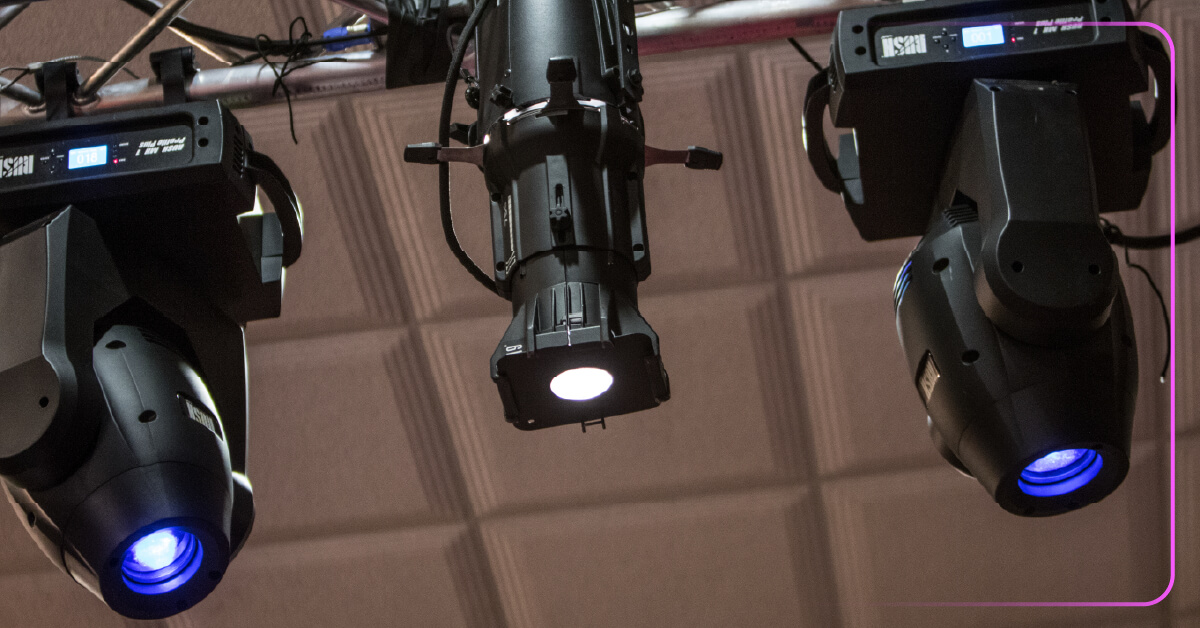
Lighting: The Most Overlooked Element of Event Planning AV
Lighting is often underestimated, yet it directly affects mood, focus, and professionalism. It’s more than just dimming the lights during the program.
What Event Lighting Includes
- Stage lighting for presenters
- Ambient lighting for the room
- Accent or uplighting for branding or atmosphere
- Lighting optimized for video recording or livestreaming
Why Lighting Matters
Lighting influences how presenters appear on camera, where attention is directed, and how polished the event feels. Poor lighting can make even well-produced events feel flat or improvised.
Planning Considerations
- Event tone (formal, educational, celebratory)
- Branding colors and visual identity
- Venue architecture and ceiling height
- Video or photography needs
Thoughtful lighting design elevates the entire experience without drawing attention to itself.
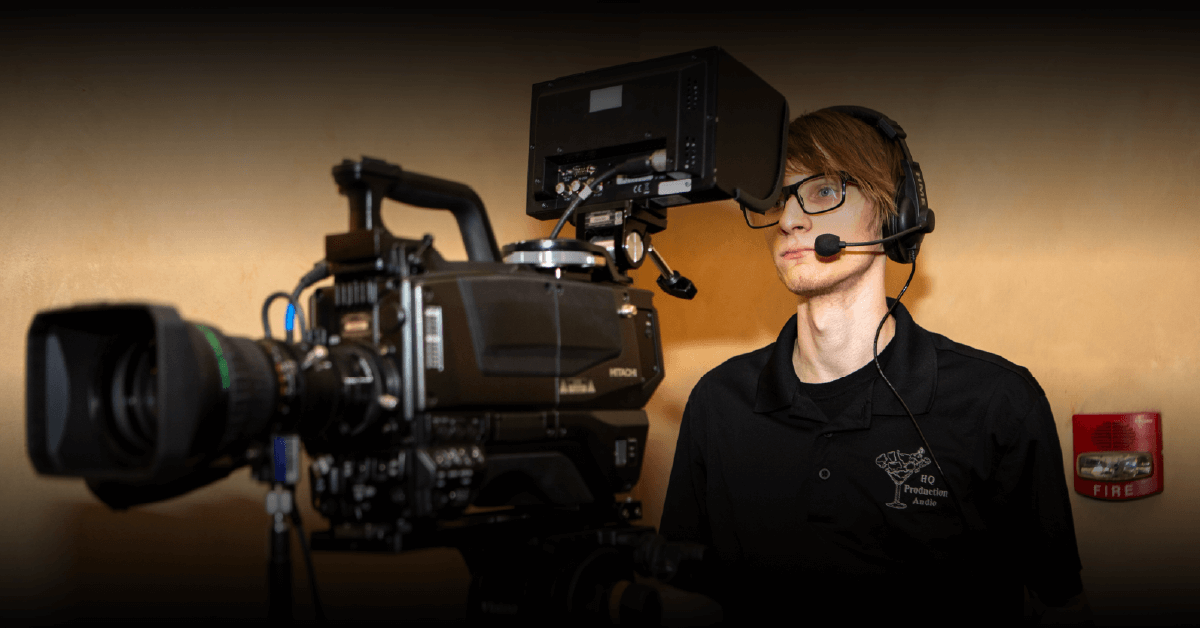
Video, Streaming, and Hybrid Event AV
Many events now extend beyond the room to include a wider audience, including those who can’t attend in person. Hybrid and recorded events introduce additional event planning AV requirements.
What This Includes
- Livestreaming setup and platform integration
- Multi-camera video production
- Recording for post-event use
- Integration of virtual presenters or attendees
- Captioning or accessibility tools
Why This Matters
Streaming and recording allow content reuse, expanded reach, and greater accessibility. However, these events also introduce technical complexity, including internet reliability, redundancy, and platform compatibility.
Planning Considerations
- Internet bandwidth and backups
- Privacy and security needs
- Audience interaction (chat, Q&A, polling)
- Post-event content processing
- Post-event content distribution plans
Hybrid events succeed when virtual and in-person experiences are planned together, not separately.
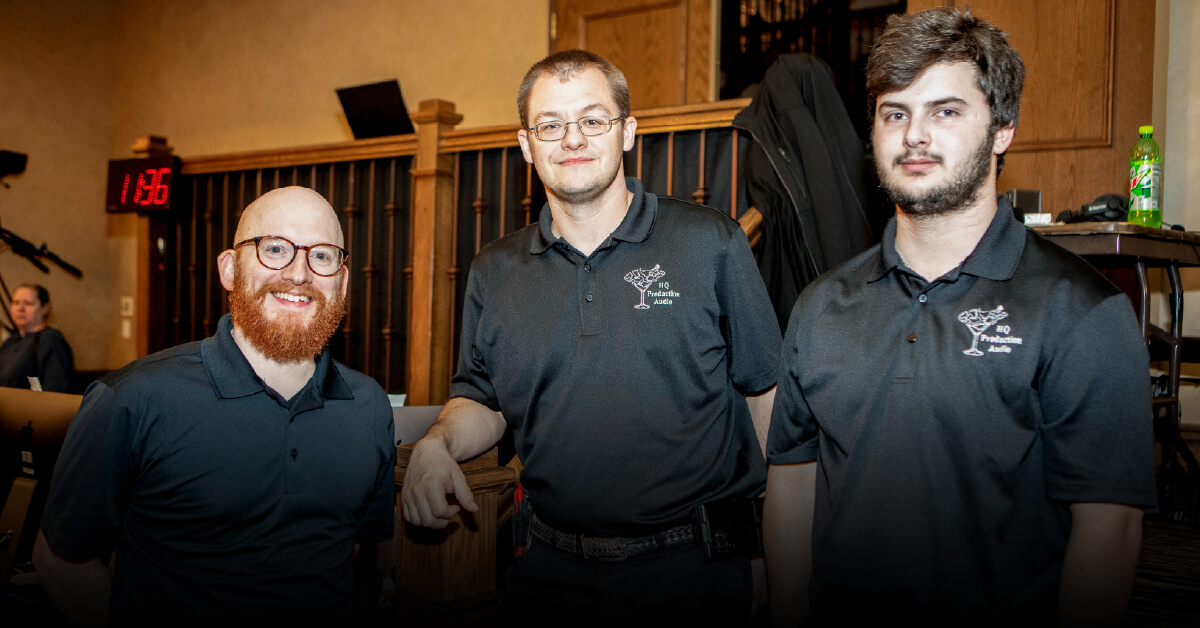
Technical Direction and On-Site Support
Successful event planning AV is more than equipment alone. Execution depends on trained professionals managing timing, transitions, and unexpected issues.
What Technical Teams Handle
- Load-in and setup
- Rehearsals and run-of-show execution
- Equipment operation and troubleshooting
- Speaker support and cueing
- Teardown and strike
Why This Matters
Most event failures are not caused by broken equipment, but by miscommunication, timing errors, or lack of preparation. On-site technical direction allows planners and speakers to focus on content rather than logistics.
How Event Type Affects AV Planning
AV needs vary significantly depending on the event.
- Corporate Trainings: Clear audio, readable visuals, recording for later use
- Conferences: Scalable audio and visuals, multiple room management, live switching
- Galas and Fundraisers: Lighting design, video storytelling, atmosphere
- Internal Meetings: Reliable sound, hybrid access, simplicity
- Product Launches: Visual impact, video integration, timing precision
Understanding the event type helps prioritize AV elements appropriately.
When to Involve AV in the Planning Process
AV should be part of the conversation at the beginning, ideally when the venue and event format are first discussed.
Early involvement:
- Improves budget accuracy
- Prevents last-minute redesigns
- Identifies venue limitations early
- Aligns technology with event goals
Late-stage AV decisions often lead to higher costs and compromises.
Common Event Planning AV Mistakes
- Treating AV as an afterthought
- Choosing vendors based on price alone
- Skipping rehearsals
- Assuming the venue’s built-in AV will meet all event needs
- Not aligning AV planning with the event’s goals, audience size, or format
Avoiding these mistakes reduces risk and improves attendee experience.
How to Budget for Event Planning AV
AV costs vary based on:
- Event length and complexity
- Venue constraints
- Staffing requirements
- Audio, visual, and lighting needs
- Streaming or recording requirements
Economy AV solutions often lack redundancy and support, increasing the risk of disruption. A scalable approach—focusing resources where they matter most—delivers better results than cutting corners.
Event Planning AV Is About Experience, Not Just Fancy Equipment
Event planning AV is not just technical support. It is part of how audiences experience your message, your brand, and your organization.
Approached strategically, AV enhances clarity, engagement, and professionalism. Approached reactively, you’ll increase stress and risk.
Working with a planning-focused AV partner like HQ Production Audio allows organizations to align technology with purpose and deliver events that run smoothly from start to finish.
Frequently Asked Questions About Event Planning AV
What does event planning AV include?
Event planning AV includes audio, visual displays, lighting, video production, streaming, and on-site technical support needed to execute an event.
When should AV be planned for an event?
AV should be planned as early as possible, ideally once the venue and event format are determined, to avoid limitations and unnecessary costs.
Is event planning AV the same as renting equipment?
How much does event planning AV cost?
Costs vary widely depending on event size, complexity, venue, and technical requirements. Early planning helps control costs.